
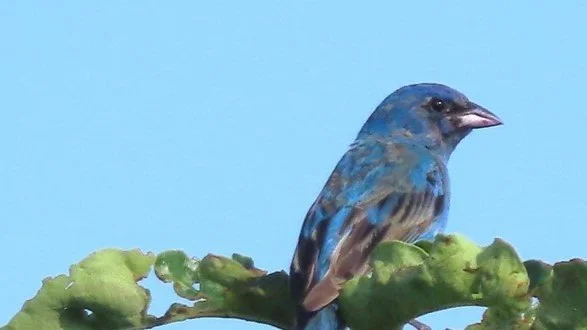
Bird Conservation
Why Birds Matter
Birds are not only magnificent creatures that grace our skies with their beauty and song, but they also play a vital role in maintaining the balance of our ecosystems. They help control insect populations, disperse seeds, pollinate plants, and serve as indicators of environmental health. Many bird species face numerous threats, including habitat loss, climate change, pollution, and predation.

Habitat Needed
Healthy habitat is critical for the survival of all species. It provides opportunities for birds like the Eastern Phoebe, a delightful songbird, to thrive and share their songs with the world.
Photo Credit: Jeff Beane
The Challenges Birds Face
Birds are increasingly threatened by habitat loss, climate change, pollution, and predation. Changes to landscapes and weather patterns can disrupt migration routes, nesting sites, and food sources, putting long-term pressure on bird populations.

Conservation Efforts
With its distinctive black-and-white plumage and vibrant red cap, the endangered red-cockaded woodpecker plays an outsized role in its ecosystem. As a keystone species, many other animals rely on the cavities it excavates in living pine trees.
Photo Credit: Kerry Brust
The Red-Cockaded Woodpecker: A Keystone Species
Red-cockaded woodpeckers are one of the only woodpeckers in North America that excavate cavities in living pine trees, especially mature longleaf pines. These cavities take years to create, and once abandoned, they become critical nesting and shelter sites for more than 25 species.
Implementing conservation initiatives such as habitat restoration, research, education, and advocacy is crucial to safeguarding these precious avian treasures for generations to come.

Conservation Success
Once on the brink of extinction due to habitat destruction, pollution, and persecution, the Bald Eagle has made a remarkable comeback thanks to decades of dedicated conservation efforts.
Every conservation action, from habitat restoration to sustainable practices, contributes to the well-being of our planet and its inhabitants.
Photo Credit: Jeff Beane

Keeping Common Species Common
Even common species, like the Eastern Bluebird, need attention to remain thriving. While they may seem abundant, threats such as habitat loss, climate change, and invasive species continue to affect their survival.
Photo Credit: Jeff Beane
Common species often serve as indicators of environmental health, reflecting the overall well-being of their habitats. Protecting these species helps preserve biodiversity and ensures the stability and resilience of ecosystems.